Knowledge Centre
Providing rapid medical guidance and expert health insights for informational purposes. Our guides come from a Harley Street clinic, but they do not replace a professional consultation.
GP or psychiatrist: which Harley Street visit is yours
Written by Mr Stephen Lingam · Reviewed by Dr Ahmed Shoka (GMC 4573207) on 25/09/2026
Key takeaways
- If you are in immediate danger or cannot keep yourself safe, call 999 or go to A&E, and Medical Express Clinic is not a crisis service.
- If you are struggling to cope or having thoughts of suicide, call NHS 111 and choose the mental health option, or call Samaritans free on 116 123.
- Low mood, anxiety and sleep problems can start with a GP.
- A confidential psychiatric opinion is available by video with Dr Ahmed Shoka, Consultant Psychiatrist, GMC 4573207, MRCPsych.
- The first visit is a structured psychiatric assessment, not a guarantee of a particular diagnosis or treatment plan.
- Memory and cognitive concerns are a different service.
- Patients who need an initial controlled-drug assessment may send a psychiatry enquiry to Dr Shoka. Controlled drugs are not started without the checks the medicine requires, which may mean an in-person visit.
You have low mood that will not lift, anxiety that is running the week, sleep that has fallen apart, a controlled drug that needs starting, or a relative whose memory is slipping, and search results then offer four doors at once: a GP, a consultant psychiatrist, a memory clinic, and a prescription-only request. Those are not interchangeable, and picking the wrong door is how people sit in a booked video slot with a crisis that needed an ambulance, or how they ask a GP to initiate a controlled drug that this clinic will not start in primary care.
This article is about which of those visits is yours. Medical Express Clinic has practised at 117a Harley Street since 1984 and is CQC-registered. The same building holds a GP service, consultant psychiatry with Dr Ahmed Shoka, a memory clinic with Prof Arshad Rather, and a doctor-led prescription route. They answer different questions.
When it is 999, A&E or NHS 111
If you are in immediate danger or cannot keep yourself safe, call 999 or go to A&E.
Which visit matches the concern.
| Concern | Visit |
|---|---|
| Immediate danger | 999 or A&E |
| Urgent, not life-threatening | NHS 111 |
| Low mood, anxiety or sleep | GP services |
| A psychiatric opinion, including controlled-drug initiation | Consultant psychiatry with Dr Shoka |
| Memory or thinking change affecting daily life | Memory clinic with Prof Rather |
| An established medicine you have run out of | Prescription-only GP route |
| Transcription of an existing controlled-drug prescription | GP route |
| Initiation of a controlled drug | Psychiatry enquiry to Dr Shoka |
Medical Express Clinic is not a crisis service. A booked GP slot and a psychiatry enquiry form cannot do that work. If you are reading this while you cannot keep yourself safe, stop reading and call 999.
If you are struggling to cope or having thoughts of suicide, call NHS 111 and choose the mental health option, or call Samaritans free on 116 123. In an emergency call 999.
NHS guidance is plain. 999 is for life-threatening emergencies, including a situation in which you, or someone with you, is at immediate risk of serious harm. If the picture changes on the way to Harley Street, stop and call 999.
Urgent symptoms that are not life-threatening still need a public route. NHS 111 exists for that gap. You can check symptoms online, or call 111. A private GP appointment can often be same-day, but it is still not an emergency service. If you are deteriorating after the clinic has shut, or you cannot wait for a listed slot, NHS 111 runs around the clock. The psychiatry enquiry is how a planned consultant assessment is arranged, not how a crisis is triaged.
When a GP is the right person
Low mood, anxiety and sleep problems can start with a GP. That is ordinary primary care, not a failure to take the problem seriously. A GP at this clinic can take a history in person, look at what you have already tried, consider physical causes, review medicines, and decide whether a specialist opinion would help.
Those visits sit in GP services. You sit with a doctor at 117a Harley Street. There is no fixed time limit on the consultation. If an examination, blood collection, an ECG or a breathing test would change the plan that day, those can often be done in the same building.
A first conversation about low mood, anxiety still compatible with work and home, or sleep that has gone wrong after a change of shift or a new tablet, is often GP work. If nobody has yet taken a basic history, checked thyroid function or reviewed alcohol, caffeine and current medicines, a consultant psychiatry booking can be the wrong door even when the subject is mental health. You do not need a GP referral to see Dr Shoka, but a letter that exists should still travel with you. Do not use a psychiatry enquiry to skip a GP for a cough, a fever, blood pressure, or a straightforward medicine review.
When consultant psychiatry is the right visit
A confidential psychiatric opinion is available by video with Dr Ahmed Shoka, Consultant Psychiatrist, GMC 4573207, MRCPsych. He is the clinical lead for psychiatry at Medical Express Clinic and works in general adult psychiatry, with a special interest in psychosis, physical health monitoring for people with severe mental illness, and medico-legal practice.
No GP referral is required. You send an enquiry first. The clinic then arranges the first appointment. That initial video consultation typically lasts 50 to 60 minutes. Follow-up is booked when it is clinically suitable, not automatically after every first visit. Follow-up usually lasts 30 minutes and is used to review progress. Dr Shoka primarily offers video consultations. In-person options are discussed on request.
This is the visit when the question is already psychiatric: a history that has outgrown a first GP conversation, a possible psychotic illness, a complex medicine review, a request to initiate a controlled drug, or a formulation that needs a consultant. It is not a walk-in, a same-day crisis clinic, or the memory clinic.
The first visit is a structured psychiatric assessment, not a guarantee of a particular diagnosis or treatment plan. It typically includes a comprehensive psychiatric history, a mental state examination, a discussion of symptoms and their impact on daily life, and a clinical formulation where that is appropriate. A formulation is a working clinical reading of the history, not a label you are owed at the end of an hour. Wanting a diagnosis does not make one automatic, and a request for a named tablet is not a promise that it will be prescribed. Dr Shoka reviews the clinical history before discussing whether any medicine change is appropriate.
Bring letters, a medicine list and old results into the enquiry so the history does not start from a blank page. If a family member has useful observations, say so. Availability is confirmed when the clinic responds. If you have already seen Dr Shoka and he has advised further review, say that when you enquire so the clinic does not treat you as a first assessment by mistake.
When the memory clinic is the right visit
Memory and cognitive concerns are a different service, with cognitive screening as the sister service. They belong with the memory clinic, led by Prof Arshad Rather, Consultant Geriatrician and General Physician, GMC 6035767.
A memory clinic enquiry is for persistent memory or thinking change that is affecting everyday life, whether the person themselves or a relative makes contact. Specialist assessment is worth considering when memory, planning, language, orientation or behaviour has shifted enough to interfere with work, medicines, money or safety at home.
If the main problem is low mood, anxiety, psychosis or a psychiatric presentation without clear cognitive decline, consultant psychiatry is the better specialist route. If memory, thinking or confusion is the primary concern, do not book Dr Shoka as a shortcut into a dementia assessment. A GP consultation can still be the right first visit when a general medical review or routine blood tests would help. Sudden confusion, stroke symptoms, or anyone acutely unwell is 999 or A&E, not a memory clinic enquiry.
When it is a prescription route rather than an assessment
Not every medicine question is a psychiatry consultation, and not every psychiatry consultation is a prescription request.
Eligible repeat requests for established medication can use the prescription-only GP route. A doctor reviews each request in person at 117a Harley Street and may approve it, decline it, or ask you to attend for a full GP consultation. That route is not a promise to prescribe, and a new medicine needs a full consultation rather than a repeat review.
Controlled drugs sit in a tighter frame. Continuing an existing controlled-drug prescription needs a clinician review. Some can be continued by a GP; others need the consultant psychiatrist. Either way you need evidence of the previous prescription, and the clinic may contact the original prescribing doctor. Controlled-drug initiation is not done on the GP route. Patients who need an initial controlled-drug assessment may send a psychiatry enquiry to Dr Shoka. Controlled drugs are not started without the checks the medicine requires, which may mean an in-person visit. Any prescription remains subject to clinical judgement.
If you are unsure which diary you belong in, say so when you enquire.
Tips and tricks
- Decide which door you are walking through before you enquire.
- Immediate danger is 999 or A&E.
- Urgent problems that are not life-threatening go to NHS 111.
- Low mood, anxiety and sleep can start with a GP.
- Consultant psychiatry is a planned assessment with Dr Shoka, mainly by video, after an enquiry.
- Memory and thinking changes that affect daily life belong with Prof Rather.
- Continuing an existing controlled-drug prescription needs a clinician review: some can be continued by a GP, others need the consultant psychiatrist.
- Initiation of a controlled drug is psychiatry, and controlled drugs are not started without the checks the medicine requires, which may mean an in-person visit.
- Bring a medicine list, any letters or results, and a clear account of what has changed.
- Say whether you have already seen Dr Shoka.
- If a relative is the reason for contact, say who the appointment is for.
- If video will not work, ask about in-person options when you enquire.
Things to avoid
- Do not use a psychiatry enquiry as a crisis service, and do not sit on immediate danger because you have a Harley Street appointment later in the week.
- Do not treat NHS 111 as optional if you are getting worse and the clinic is shut.
- Do not book consultant psychiatry for mild, recent low mood that a GP has not yet seen, and do not book a GP because you wanted Dr Shoka to take a full psychiatric history.
- Do not send a psychiatry enquiry for a memory problem that belongs with Prof Rather.
- Do not expect a diagnosis as a right of the first 50 to 60 minutes, or follow-up booked automatically.
- Do not ask a GP transcription visit to initiate a controlled drug.
If you do want a consultant psychiatry assessment, the details sit on the private psychiatry page, or you can contact the clinic on 020 7499 1991.
Related guides: when a memory concern needs a memory clinic and how a private prescription review works.
Sources

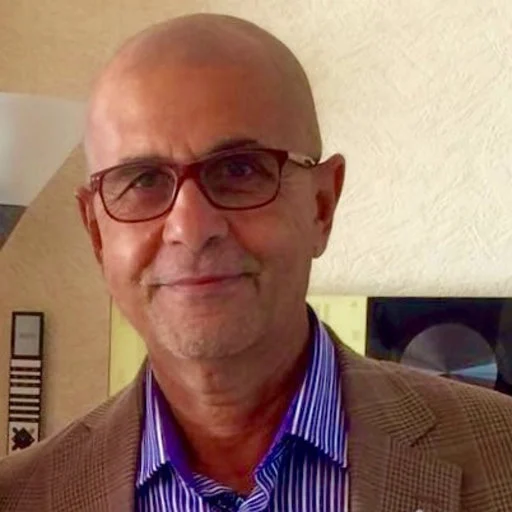
Mr Stephen Lingam
Managing Director
Executive leadership
Frequently asked questions
Do I need a GP referral to see a psychiatrist?
No. You can send an enquiry directly. No GP referral is required.
How do I book?
Send a psychiatry enquiry, or contact the clinic. The clinic contacts you to arrange the appointment. Enquiry comes first.
Is the first appointment in person or by video?
Dr Shoka primarily offers video consultations. In-person options are discussed on request.
How long is the first consultation?
The initial video consultation typically lasts 50 to 60 minutes. Follow-up, when clinically suitable, usually lasts 30 minutes.
Will I get a diagnosis or a prescription at the first visit?
Not necessarily. The first visit is a structured assessment, not a guarantee of a particular diagnosis or treatment plan.
Can a GP start low mood, anxiety or sleep problems?
Yes. Those presentations can start in GP services.
When should I choose the memory clinic instead?
When memory, thinking or confusion is the primary concern. The memory clinic, with Prof Rather, is a separate service from psychiatry with Dr Shoka.
Can a GP start a controlled drug?
No. Initiation is a psychiatrist's assessment, and controlled drugs are not started without the checks the medicine requires, which may mean an in-person visit. Continuing an existing controlled-drug prescription needs a clinician review. Some can be continued by a GP; others need the consultant psychiatrist.
Is this service suitable in an emergency?
No. If you cannot keep yourself safe, call 999 or go to A&E. For urgent help that is not life-threatening, contact NHS 111.
Need Professional Advice?
While our Knowledge Centre provides expert insights, it does not replace a face-to-face consultation with a doctor.
